
It’s not easy to stay zen in the face of an all-out price war, a sluggish economy, and significant technological upheavals related to AI… Speaker Jiana Saad is launching her new training program “Develop Your Emotional Intelligence” at just the right time. We spoke with her to get some “resilience” tips to start 2026 on the right foot.
1. Take Care of Your Life Hygiene
For people who don’t know how to take control of their lives, American psychologist Phil Stutz designed a tool to encourage his patients to focus on their “life forces,” which he presents in a pyramid whose base is the body (taking care of your body through exercise and nutrition), the second level concerns people (socializing), and the summit, identity (reflecting on who you are, what you like, etc.)
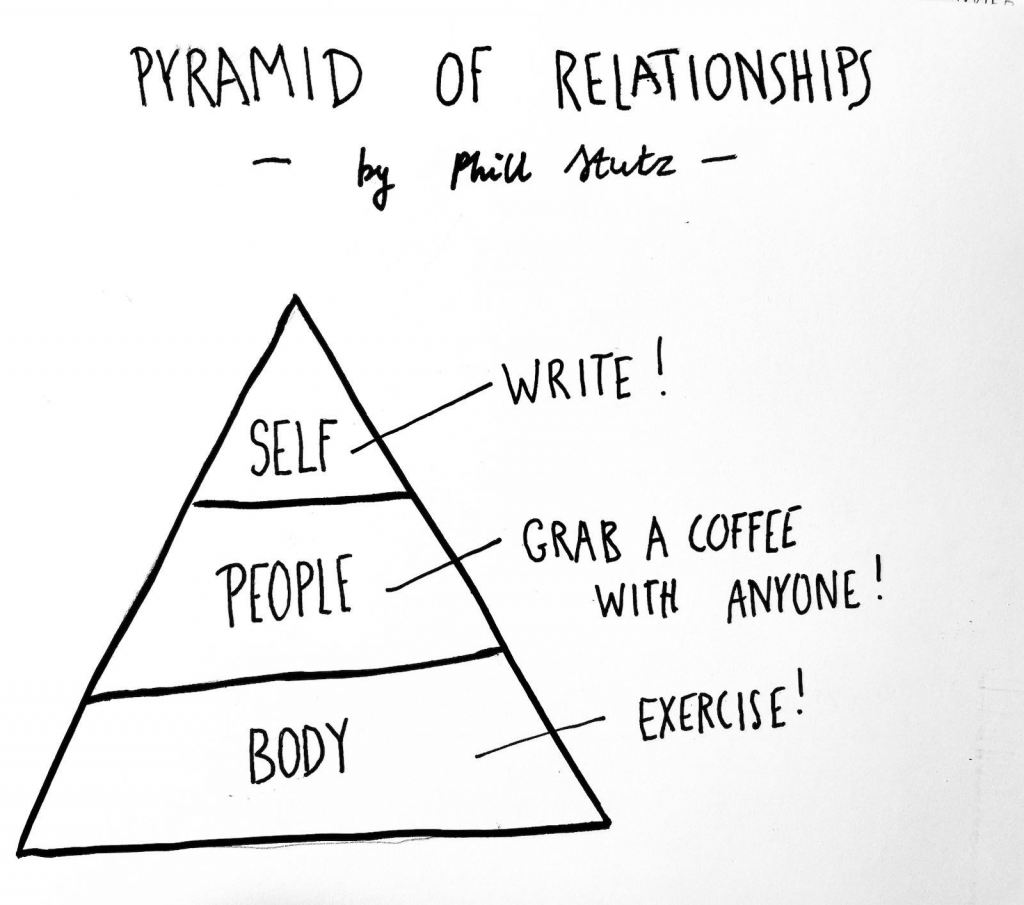
“If you feel lost, don’t try to understand – let go and work on your life forces,” he sums it up in the documentary The Stutz Method.
In her training program, Jiana Saad proposes a similar approach, presenting the idea that there are “four domains of resilience” to observe and nurture daily in order to stay effective and balanced:
- physical,
- emotional,
- mental
- and spiritual
She explains the last point further to us:
“In the spiritual domain, a first step is to get people to reflect on what is important to them and what gives direction to their life. Identifying their values, what motivates them deeply, or what brings them a sense of calm and fulfillment can help develop this dimension. This approach can be done through moments of introspection, writing, mindfulness practices, connection with nature, or involvement in meaningful projects.”
2. Keep an Open Mind
Global uncertainty forces companies and, ultimately, employees to constantly adapt to new operational parameters.
Adaptability is part of emotional intelligence, she reminds us. “At work, it’s important to adopt an attitude of openness to learning, improve your skills and organization, manage your emotions, stay flexible, and above all, be proactive and anticipate.”
3. Clarify Expectations, Recognize Efforts
When tension rises in a team, Jiana Saad encourages managers to clarify both their emotions and their message.
“I suggest taking a few minutes to clarify priorities, simplify expectations, and validate what is truly urgent. Stress often comes from ambiguity. Clarifying reduces pressure and restores a sense of control.”
Before proposing a solution or correction, she reminds us that the message will go down better if the manager first acknowledges the person’s effort and state.
“Feeling recognized eases stress and opens the door to more effective collaboration.”
4. Breathe Through Your Nose… Literally!
When exchanges get heated in a team, it’s necessary to slow down the flow of words to prevent tempers from flaring.
“If, for example, you’re in a meeting and someone interrupts you abruptly to make a nasty remark, yes, you can respond, but it can escalate,” she notes.
Jiana Saad suggests taking a sip of water or coffee, or making a gesture that marks a pause; internally, you can even count to 10 to let the pressure drop and reason take over.
“You’re giving yourself time to cool down your limbic brain, and giving your rational brain time to catch up. Reacting quickly, or without thinking, feeds the flames burning in your emotional brain. Conversely, when you take time to think, you regain control of yourself and prevent emotions from running the show.”
5. Practice Your Assertiveness
At heart, humans want to be seen, heard, and validated. Consequently, Jiana Saad encourages professionals to work on their “assertiveness,” which is – according to Wikipedia – the “ability to assert yourself, express your opinions, needs, and emotions, while respecting those of others, finding a middle ground between passivity and aggression.”
“If you don’t assert yourself, you risk projecting your emotions onto others and losing control of your words. A first trick is to name the emotion before acting on it – You can for example say: ‘Right now I’m feeling anxious because I’m afraid of losing you, even though that might not be justified. This can open a dialogue rather than create conflict.'”
 training.isarta.com