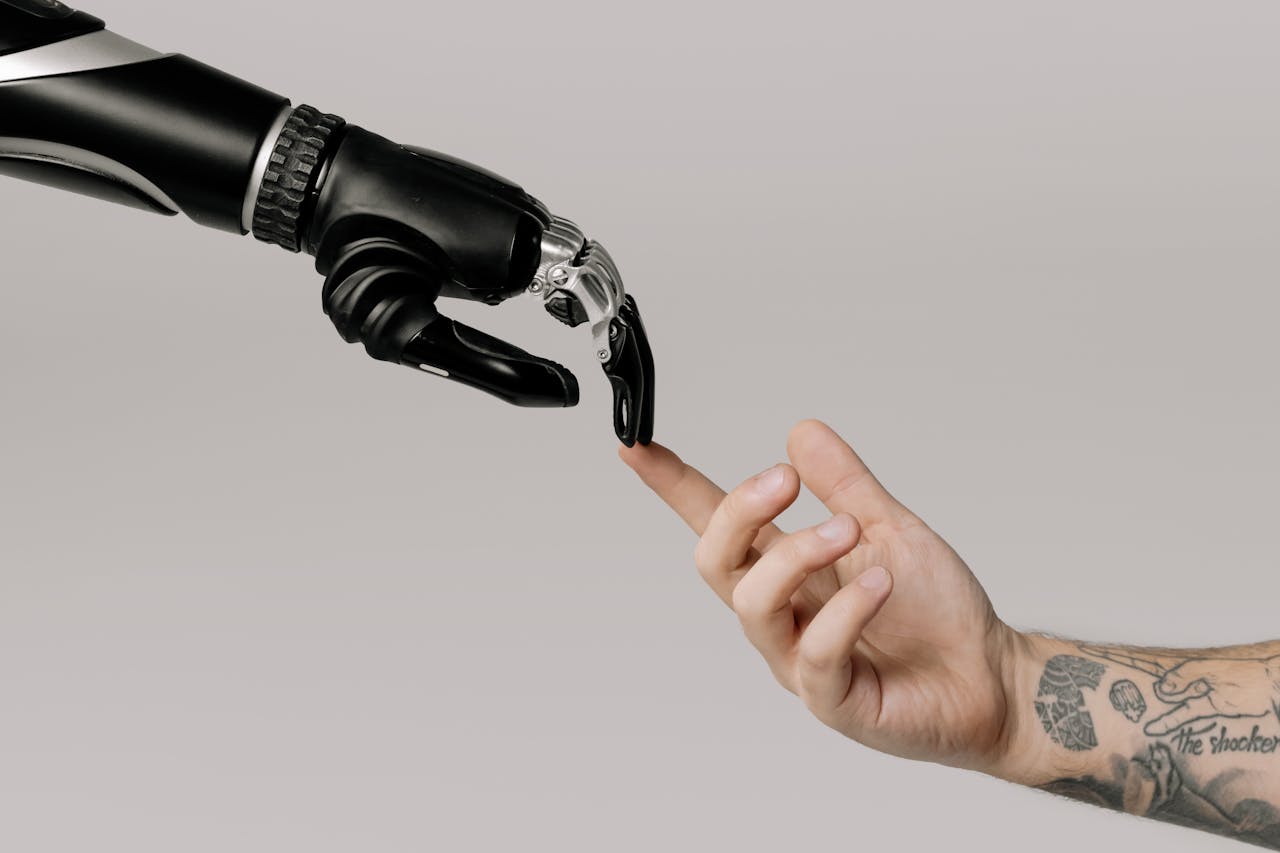
There’s no doubt about it: AI has disrupted digital marketing, permeating every facet of the activity (ideation, production, distribution, analysis). Yet the type of content and brand strategies that perform on web and social media in 2025 continue to be very “human,” with homemade vertical video shot on personal phones taking the lead—low quality and all. A look back at a year of resistance, where humans continue to hold their own.
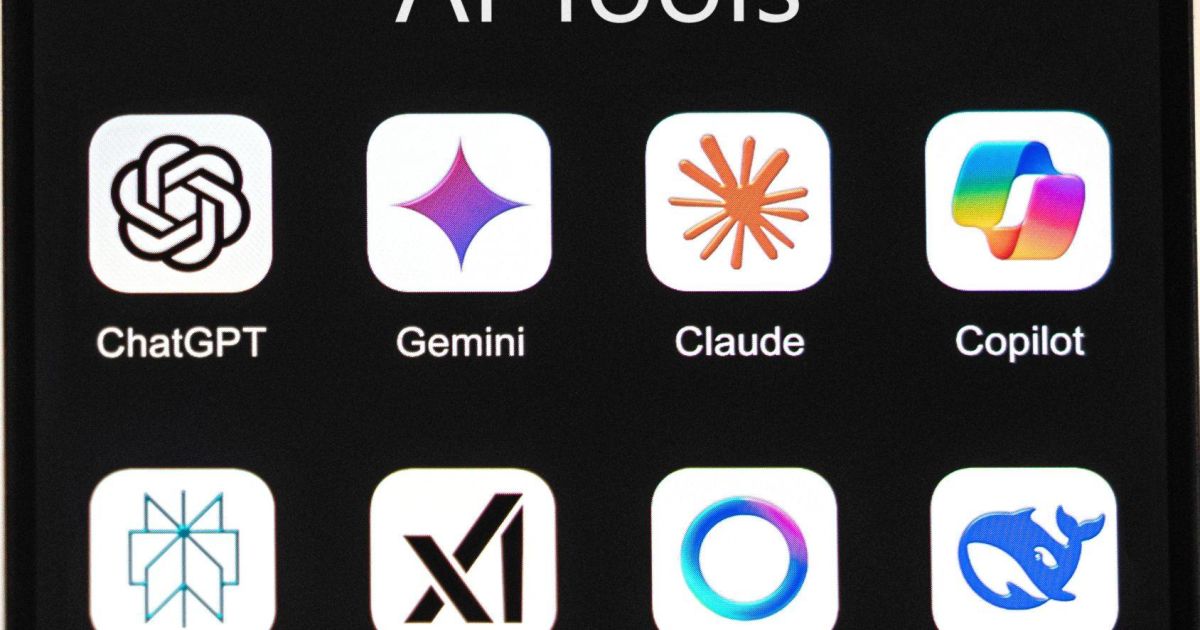
Let’s not bury our heads in the sand: AI has genuinely advanced on social media in 2025, with improved generative AI platforms (ChatGPT-5, Gemini 3, etc.) and the democratization of photo and video generation tools like Sora, Midjourney, and Nano Banana (Google).
But what results? It’s fair to question. Generic, uninspired text production accompanied by easily identifiable photos continues to clutter newsfeeds (the “AI slop” phenomenon), bringing bland trends like “Starter Packs” or fake apology letters.
Alongside this phenomenon, it’s encouraging to see that “human” content continues to perform well with consumers. Francis Jette, an Isarta trainer, notes that short-form, low-quality, homemade vertical content is what performs best on social networks.
Content that showcases individuals in selfie mode has become the number one format, prioritized by the majority of content creators and brands. If user-generated content (UGC) was initially a trend, it’s now the norm. Authenticity has become a strategic pillar for brands,” he affirms.
Space for Local and Authentic
Jonathan Thibeault, a digital communications consultant, has been trying to convince his clients in the Saguenay region to produce their own video content since 2020.
This is decidedly the year my clients made the shift. We’re not talking about polished videos, but videos sometimes shot on the fly and other times with light editing. It can make all the difference in the discoverability of your content and services,” he says.
He also senses growing enthusiasm for the podcast format, again, at the local scale.
The democratization of podcasting comes from the fact that there are increasingly more places to record and because the technological equipment to record is more affordable than it was a few years ago, even though it’s a medium that’s existed for a long time, even in the early 2000s.”
Vicky Boudreau, founder of the Heylist platform, reports a similar trend in influencer marketing, where “local” content creators are gaining traction.
During periods of economic slowdown, brands increasingly turn to local influencers, not out of budget constraint, but because these smaller creators offer better engagement, more credibility, and clearer return on investment. When budgets tighten, brands favor smaller communities that generate real conversions,” she says.
She gives the example of a successful campaign deployed by the marketing team at Stefano spaghetti sauce when they entered certain Midwest Costco locations. Rather than investing in a large, uniform national campaign, they turned to Heylist to activate “Costco moms”—content creators who regularly share their Costco finds with their local followers.
Thanks to a targeted campaign with Costco moms, we quickly generated awareness, drove sales, and the sauces sold out in a matter of weeks! We were also able to start building an engaged community in the region,” says Caroline Vincent, director of communications and marketing at Stefano Faita.
Finding Reach “in the Shadows of the Web”
Among more emerging trends, Hugo Cesaratto notes brands’ desire to reach consumers in the “behind-the-scenes” of social media.
Over the past few months, a new concept of tracking content performance has begun to emerge: Dark Social. The notion of “dark” is tied to the fact that younger generations (Gen Z and Alpha) consume content primarily via DM, in their group chats, or even on entirely different platforms—like Discord, for example.”
According to him, activating Dark Social should be a priority, given consumption habits.
It’s essentially about encouraging shares that allow you to enter these spaces.”
A trend to watch, then, in 2026!
 training.isarta.com
  training.isarta.com