
Two studies released back-to-back (Brandwatch and Swello) paint a barometer of 2026 social media trends. Let’s focus on those that seem most striking.
1- Trust: A Decisive Competitive Advantage
This first trend, drawn from observations by the Brandwatch tool which analyzed 910 million online mentions, seems fairly conventional. Yet it rests on a particularly radical figure: brands initiate only less than 1% of online discussions concerning them! In other words: 99% of conversations about brands happen… without them.
This could be interpreted as a cruel rebuke to marketing teams, at least for their campaigns. But it can also represent a vast opportunity:
“The major challenge is therefore not to control the conversation, but to know how to capture and respond to the remaining 99% where your reputation is truly forged—for better or worse,” the report indicates.
Among the suggested strategies: turn customer service into a genuine online marketing tool!
“As frustration rises, exemplary brands stand out all the more. We counted more than 348,000 online mentions reporting customer service deemed useful. These positive exchanges leave a lasting impression, influence purchasing decisions, and strengthen brand reputation,” Brandwatch insists.
2. The Resurgence of “Deinfluencing”
We know influence marketing; now meet its opposite: “deinfluencing.” Contrary to traditional influencers who encourage their followers to buy, deinfluencers discourage them by highlighting product flaws or reasons to avoid them.
According to Brandwatch, this trend is not new—it peaked in early 2023 when several viral TikTok videos on the subject gained traction and TIME and The Guardian reported on it. However, it’s experiencing a notable resurgence.
In 2025, mentions of “deinfluencing,” which could also be translated as “active counter-recommendation,” surged 79%. With particularly strong frustration over hidden fees (+40% of mentions), causing some consumers to publicly denounce brands and become anti-ambassadors.
This prompted Brandwatch to note, as a corollary to the previous point:
“Transparency is no longer a differentiator: it’s a condition for survival. Deceptive pricing practices and disappointing products now generate sustained negative virality.”
3- Invisible Engagement as a New Algorithm Criterion
What are the indicators that contribute most to a post’s performance? Likes and comments, as we’re accustomed to hearing. According to Swello, a rebalancing seems to be underway with increasingly important weight given to shares and saves. Data that LinkedIn actually made visible over the course of last year.
“People ‘consume’ more discreetly, but share much more privately. Brands must therefore create content designed to be saved and sent (checklists, mini-guides, quick-reference sheets…),” advises the social media management solution.
4- Reasoned AI… to Leave Room for Human Imperfection
A final trend that may seem at odds with the permanent wave of AI sweeping through social media. For Swello, however, the challenge is no longer to use AI by default, but intelligently. That is, to save time on repetitive tasks without erasing brand authenticity.
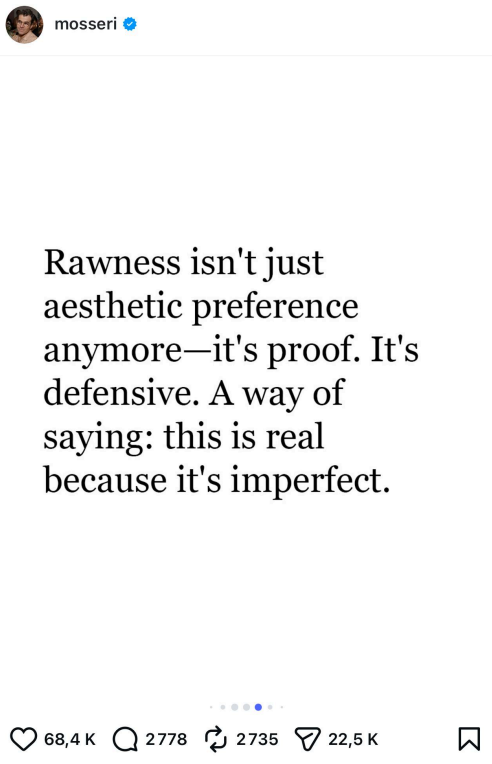
A point that echoes the notion of “naive design” recently mentioned. Paradoxically, humans retain considerable added value in… their imperfection! A reflection of their sincerity.
In other words, consumers accept AI when it solves real problems (autonomous vehicles, energy optimization), but reject it when it poorly replaces humans. The golden rule: AI must magnify the human touch, not replace it.

 training.isarta.com