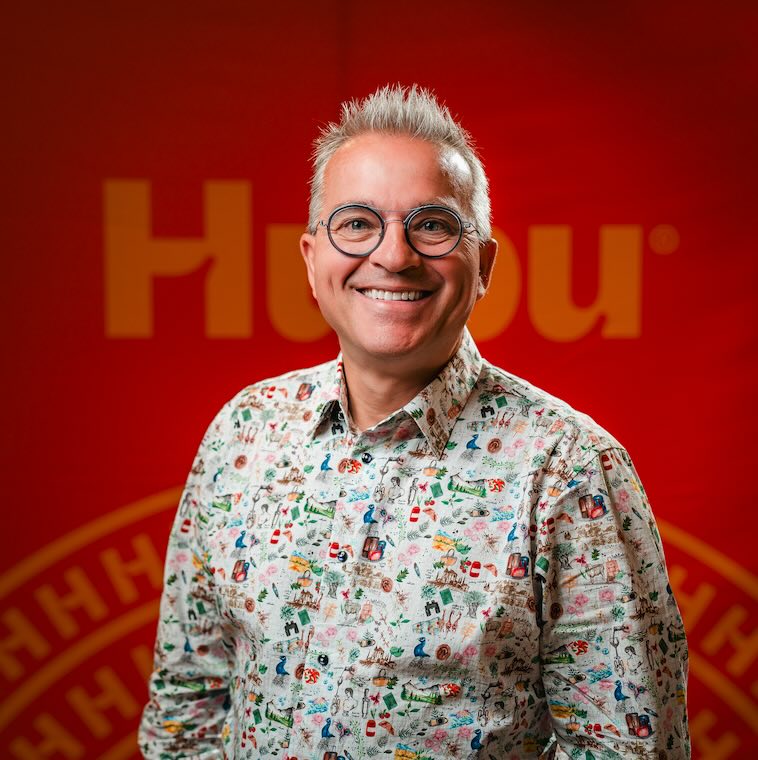
For Sophie Morfaux and Manon Simard, there is no doubt: the issue of sustainable development is directly linked to the HR function. The two organizational development specialists want to convince HR professionals to take an active part in the sustainable transformation taking place in companies.
Right away, Sophie Morfaux offers a first clarification:
Too often, companies approach the subject of sustainable development from an ecological angle only, when it is much broader than that. The question is how an organization develops over time. Are its activities sustainable in the long term—both for the environment, the economy, the territory, employees, the affected communities, etc.?”
Faced with such a broad challenge, the HR function has a role and responsibility that it doesn’t always seem to understand well.
HR is generally very focused on the administrative side, salaries, or performance evaluation. Yet when we are responsible for human resources across an organization, our mission is to ensure that teams work well together, that there is excellent collaboration. And that employees contribute to the company’s strategy,” she explains.
The “Mobilizing” Role of the HR Function
HR directors must assert their perspectives early on in the project, during the conduct of a strategic planning exercise.
HR must be at the table, because it is not just financial indicators that contribute to the sustainability of organizations, quite the contrary. It is ESG indicators: environmental, social, and governance. These indicators must be integrated into strategic planning, alongside financial indicators,” says Manon Simard.

Subsequently, the HR function will participate in communicating the sustainable transformation project throughout the company. Sophie Morfaux emphasizes the “mobilizing” role of HR advisors.
When you are in HR, you have the role of encouraging certain behaviors, whether through remuneration policies, organizational development programs, and continuous training programs,” she enumerates.
When properly understood, sustainable transformation can itself become a lever for mobilizing employees, clarifies the change management specialist.
Sustainable transformation carries meaning. It enables employees to contribute to something greater than themselves. In doing so, it contributes to staff retention—they are less inclined to leave when they know the company is positioning itself on these societal issues,” she explains.
She gives the example of the company Patagonia, very socially committed, which is recognized for having an exceptional retention rate (4% versus the 57% standard of its industry).
When an organization carries meaning, it increases the sense of usefulness and pride among employees, while reducing overall team burnout,” argues Sophie Morfaux.
By engaging with the issue of sustainable development, HR teams have the opportunity to enter a virtuous circle where they are both actors… and beneficiaries. A win-win bet.

 training.isarta.com