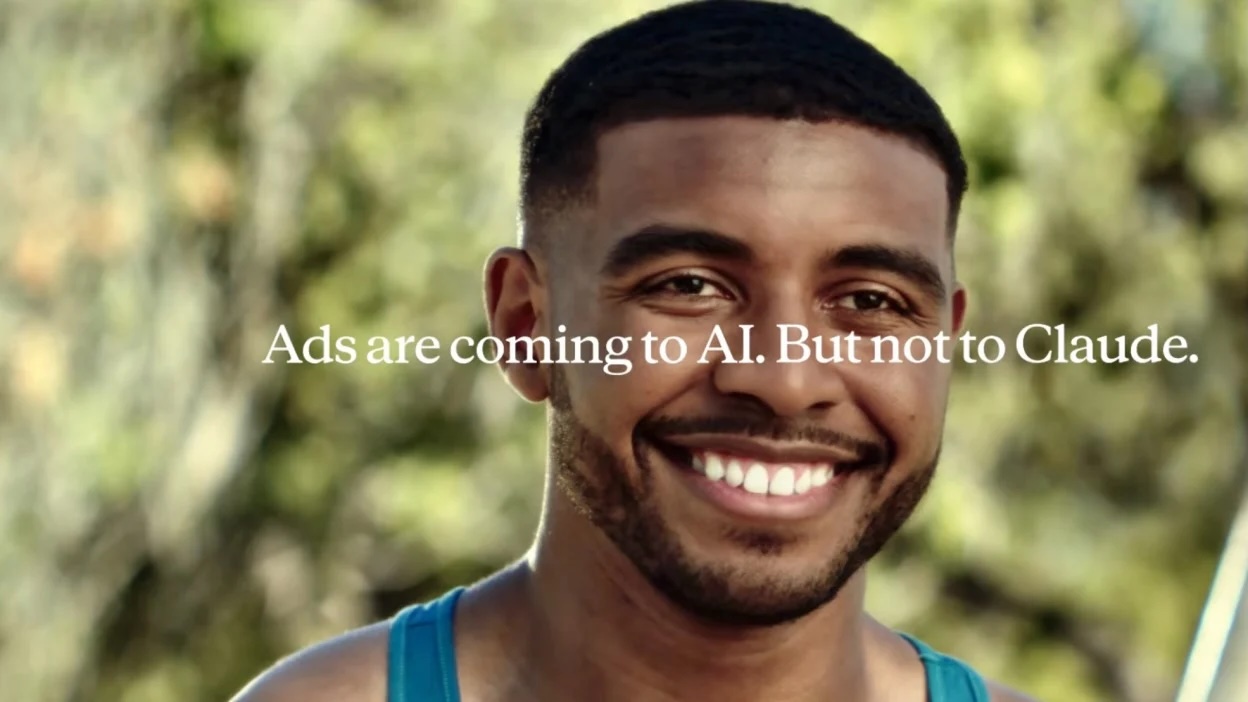
How can we embody an inspiring narrative in the age of AI and mass-generated content? Let’s look at four best practices to differentiate positively.
Authenticity has never been so sought after… and yet so undermined at the same time! On one hand, several studies point to a widespread loss of trust in politics, media, institutions, and even companies that fail to show consistency between words and actions.
The annual trust barometer established by Edelman agency highlights that consumers expect leaders (including brands) to take clear and transparent positions… but only if these statements are credible!
On the other hand, there has never been so much content flooding online since the emergence of generative artificial intelligence. Today, we can hardly keep track of the number of AI applications that generate, for example, (fake) videos in a single click, using just a few sentences of instruction (OpenAI’s Sora, Google’s Veo, Synthesia, Runway, HeyGen…).
In parallel, the rise of personal branding, fueled by LinkedIn’s evolution into a professional content network, sometimes pushes certain managers to overstate and fall into awkward storytelling rather than inspiring narratives. Creating discomfort both internally… and externally.
“Posting about leadership doesn’t necessarily make you a good leader,” testifies Frédéric Foschiani, founder of QSN-DigiTal and online reputation expert in the French newspaper Les Echos. He speaks of a “desire to generate interactions, to maximize likes, compliments, and comments while the content is self-centered, hollow, often formatted by AI, and disconnected from the company’s or team’s challenges.”
The 3 Components of Authenticity
Let’s recall that authenticity covers several components:
- Transparency (about processes, origins, impacts), in other words: “saying what you do”
- Consistency: “doing what you say”
- Humanity: you must feel the human voice behind the words or communicated message
Here are some best practices to embody an inspiring and authentic narrative for your brand:
1- Let Real People Who “Do the Work” Speak (Employees, Customers…)
A 2024 Kantar study encourages marketers to highlight “real voices” rather than polished brand communications. This can also involve co-creating narratives with content creators credible in their field.
2- Reveal Your “Craft” Side
The advice comes from… Vogue! For the famous fashion magazine, communicating about the artisanal methods of luxury brands is one of the most valuable levers to address consumer fatigue with traditional advertising.
3- Go Against the Grain of AI
According to Edelman, not only will credible brands assume they use AI, but they must signal this transparently in their communications.
Better yet: according to Gartner, not using AI could become a future differentiating factor for brands!
By 2027, 20% of brands will base their positioning and differentiation on the absence of AI in their activities and products, the consulting firm estimates. AI has indeed amplified consumer concerns about authenticity, transparency, and trust in brands.
4- Transform Your “About” Page into a Sales Page
The final advice comes from trainer Marie-Pier Lemaire, who notably gives a conference with Isarta on this often-neglected page that is nonetheless highly visited—the second page of a website: the “about” page.
Let’s be honest: a list of accomplishments, however impressive, has never stirred anyone’s heart. This page can become your best seller. Not by shouting your accomplishments from the rooftops, but by making your story profoundly human,” she assures.
In short, authentic storytelling is no longer just a matter of tone today, but of operational consistency: proving what you’re saying, highlighting real voices, and remaining transparent about methods (including AI). The recipe for salvation for brands in this ocean of “synthetic” content in the future!

 training.isarta.com