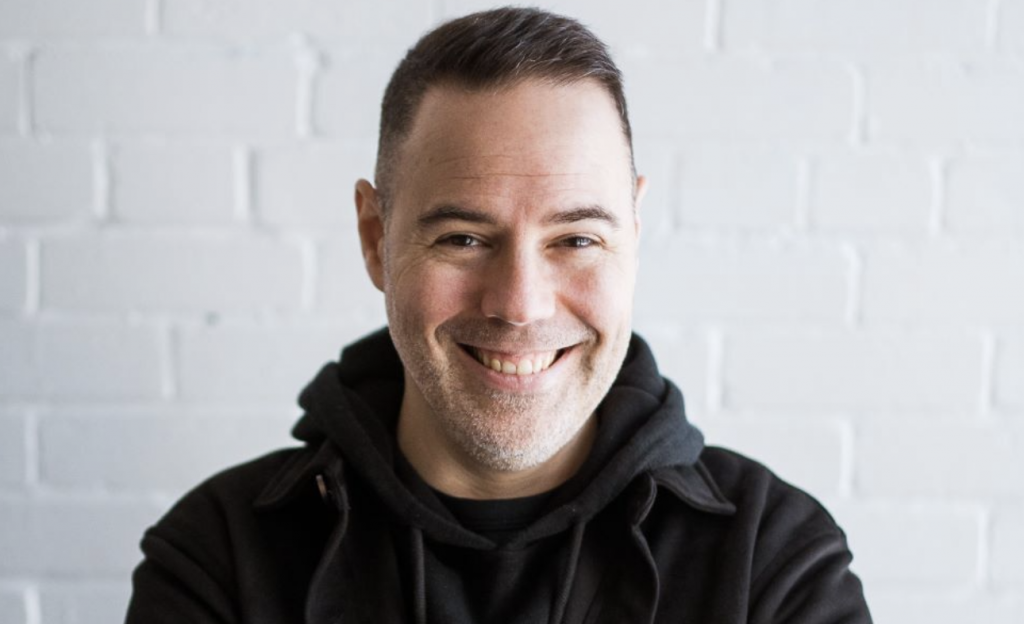
Interview with Francis Jette, trainer and consultant in digital content strategy, who is proposing a conference on the subject titled: “2026 Social Media Trends: The End of Soulless Content” (in French).
Hello Francis. What is your vision of how social media will evolve?
Francis Jette: One of the elements I notice is market fragmentation. On one side, we find certain brands that master the new social codes well, and have even reached the point of creating a media brand with editorialized content, very thoughtful storytelling, and consistent distribution frequency.
On the other end of the spectrum, we see companies struggling to maintain an active presence. You can feel a real gap forming between the two.
How can you explain that?
Francis Jette: I think some people still tend to believe that social media is simple to master in order to develop their company’s visibility. A kind of magical thinking that it’s accessible to all organizations when in reality, it’s more competitive than it’s ever been.
At a time when algorithms present users with the best content on the planet, companies must crack the code of authentic content – that is, content that is genuine and creative. This is even more important because today, with the TikTokification of algorithms, brands can no longer rely solely on their subscriber base.
Do you have any levers to develop a more authentic presence?
Francis Jette: We see brands adopting “build in public,” building in front of their audience and involving them. You really need to manage to tell your story, show your offices in the background, show your employees, communicate openly with your community…
We even see brands acting as media outlets with docuseries and lots of storytelling and creative work. Actually, I would say we’re transitioning from the social era to the content consumption era.
Facing this underlying trend, the question to ask yourself is: how can our brand stand out in this new environment?
Are all social media platforms shifting towards this trend of recommending content from people who aren’t part of your network?
Francis Jette: The major ones, yes. Even LinkedIn did it not too long ago. That’s why we find increasingly more content from creators we’re not necessarily subscribed to. The algorithm simply recommends topics by category. YouTube, on the other hand, has always combined content from subscribers and recommendations.
Brands must adapt to this new reality: their value no longer comes from their subscriber base but from the virality of their content accelerated by recommendation algorithms. It’s a challenge and an opportunity. It means that your content’s performance isn’t solely linked to the size of your subscriber base – your potential for virality is much greater.
You talk about the end of soulless content in 2026. Isn’t that a bit paradoxical given the rise of AI, which can generate a lot of content for social media?
Francis Jette: We’re going to live in a world where it will indeed be much simpler to produce content, so what will stand out in the future is precisely content that has been worked on by a real person with a little touch of imperfection.
In a world where disinformation and “AI slop” will spread, human content will be precisely highly differentiating. Always with the same question: what makes us unique and will allow us to stand out from our competitors?

 training.isarta.com